

Unique Easter Traditions You Can Experience while Traveling
Easter is celebrated around the world in beautifully diverse ways—far beyond egg hunts and chocolate bunnies. If you’re looking to make your spring travels more meaningful (and unforgettable), experiencing Easter in another culture can be truly magical. From water fights to candlelit processions, here are some of the most unique Easter traditions you can witness around the globe.
Poland
Easter in Poland is a deeply religious and family-oriented holiday combining Catholic rituals with Slavic traditions. The Easter holiday begins on Palm Sunday where families commemorate Jesus’s entry into Jerusalem with church services and traditional homemade, colorful, dried-flower palms. The Saturday before Easter Sunday, known as Święconka, families bring baskets of food to church to be blessed by a priest. These baskets are typically filled with specific symbolic foods from eggs, representing new life and the resurrection of Christ to salt which represents purification and seasoning life. The baskets are a signal that the Lenten fasting is ending and a festive Easter breakfast is upcoming, when the food that has been blessed will be eaten.
On Easter Sunday, or Wielkanoc, the day is started with a resurrection mass at 6 am. It is followed by the family breakfast where the eggs from the food baskets are shared with wishes for “Wesolego Alleluja” or Joyful Hallelujah. The rest of the day is spent with family. Most shops are closed on this day.
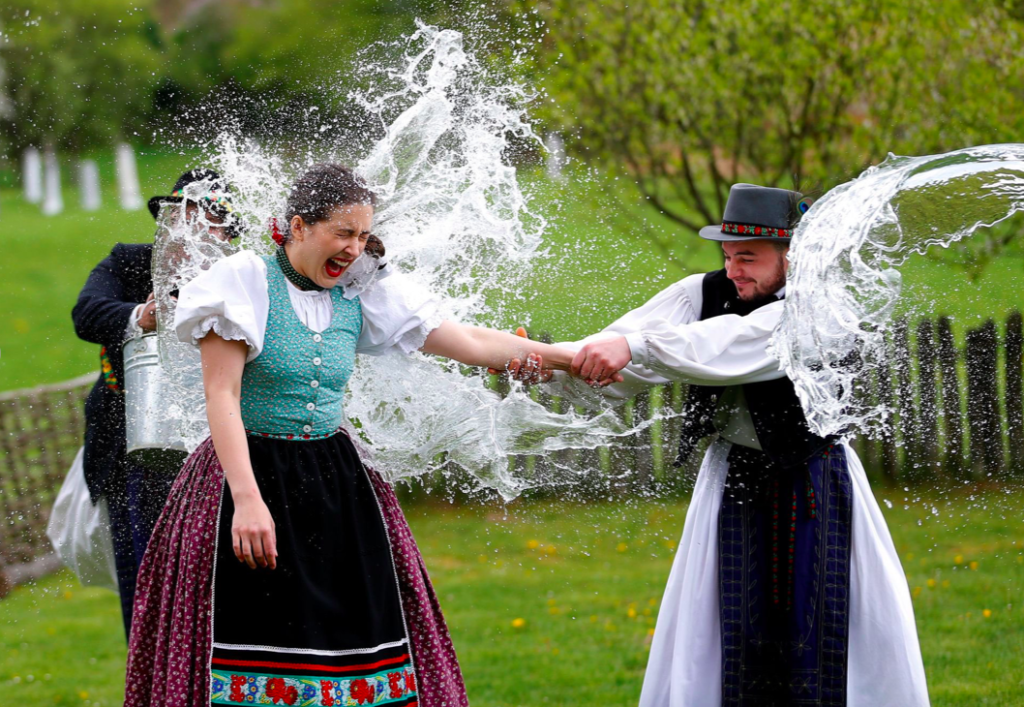
Monday, the last day of the Polish Easter Holiday, is known as Wet Monday. Everyone joins in as friends and families playfully drench each other with water. Traditionally, this custom symbolized spring purification, fertility, and renewal. Now, its a fun way to end the holiday. Expect buckets, water guns, and lots of laughter filling the streets.
Spain
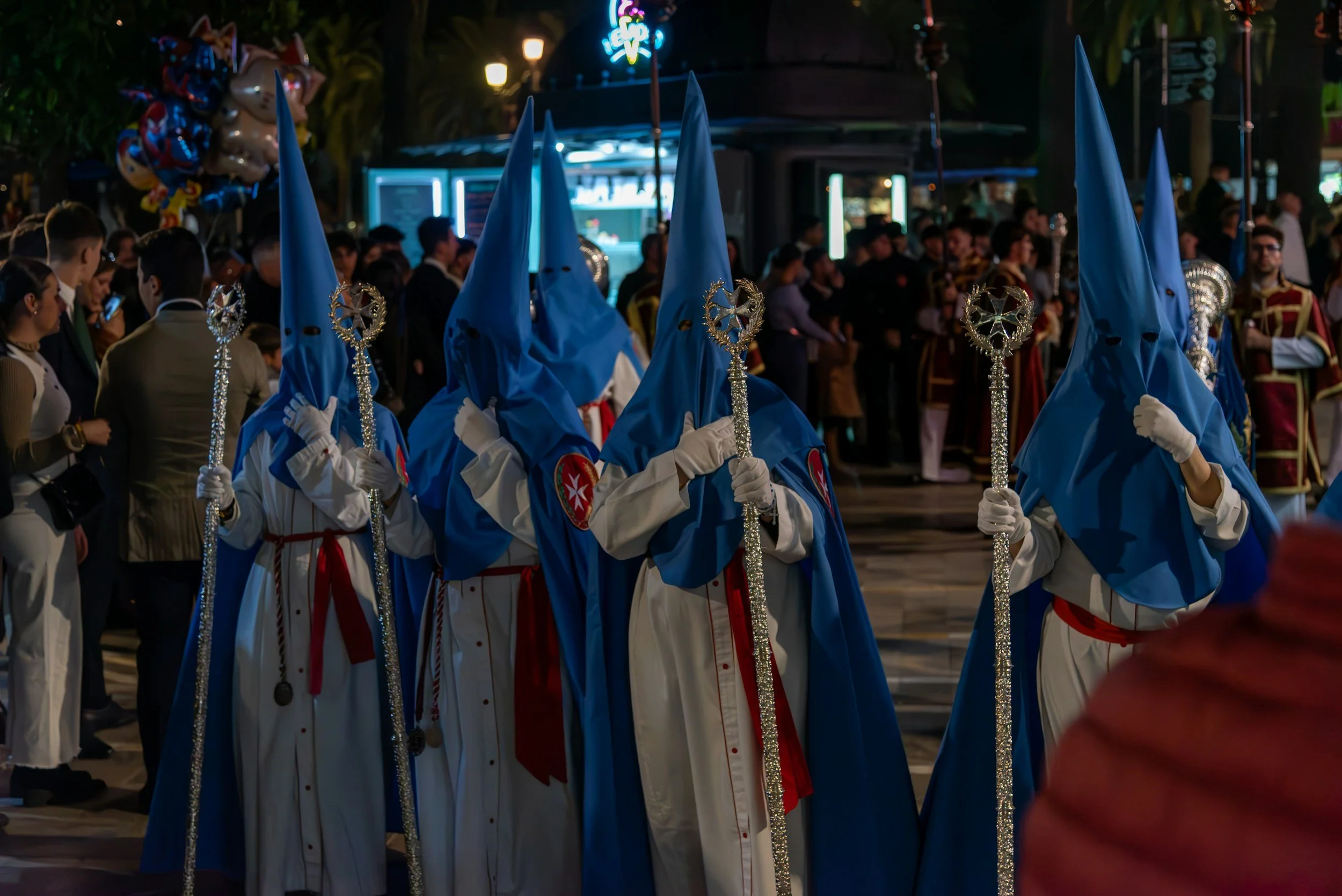
Semana Santa, or Holy Week, in Spain is a deeply religious and cultural celebration. It takes place the week before Easter Sunday. Daily processions, famous for solemnity, incense, and musical bands are held. These processions begin on Palm Sunday and continue until Easter Sunday. They feature large, ornate floats depicting biblical scenes which are carried by costaleros and accompanied by nazarenos in traditional robes and conical hoods. The most famous processions occur in Andalusia, notably in Seville and Malaga. The atmosphere is deeply emotional and visually striking—a perfect experience for travelers seeking cultural depth and history.
France
Easter in France is a major religious and family holiday characterized by chocolate, church bells, and lam, celebrated with church services, family meals, and egg hunts on Easter Sunday and Monday. In French tradition, church bells do not ring from Good Friday until Easter Sunday to mourn the death of Jesus. They reportedly fly to Rome. On Easter morning, they return to bring chocolate eggs, hens, and bunnies, which are then hidden in gardens.
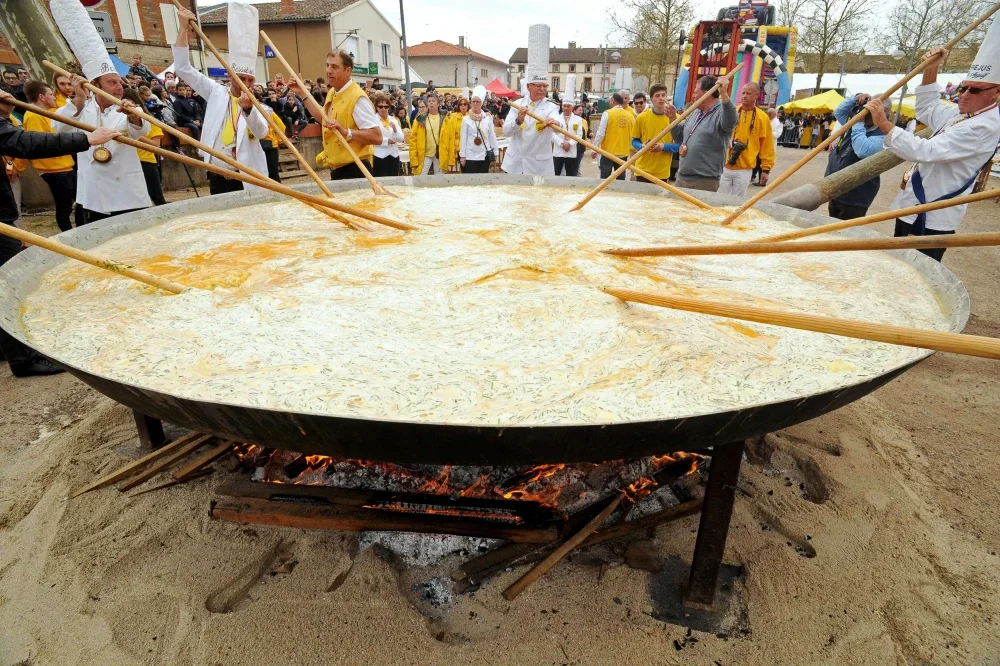
In the small town of Bessières, locals gather on Monday to cook a massive omelet using thousands of eggs in a giant pan—enough to feed the entire community. To make this giant omelette, the Brotherhood of the Giant Omelette will use over 15,000 eggs, 40 liters of oil, and 20 kg of chives. About 100 volunteers, dressed in yellow and white, gather Monday morning around a long table and begin cracking eggs into large bowls. Meanwhile, Bessières’ Chevaliers, or knights, identifiable by their tall toque hats, use a forklift truck to position the 850 kg, 13 ft. frying pan over the bonfire. Duck fat is then added into the pan as it warms. Soon after, the eggs are transferred into huge aluminum pots and whisked with hand-held paddle mixers which are usually used for concrete mixing. Chopped chives, salt, pepper, and mild chili pepper is added. Eventually, the egg mixture is poured into the large pan and stirred with huge wooden paddles to prevent it from sticking and burning. It takes about half an hour for the omelette to cook. It is then served on paper plates to the spectators gathered around the square. The completed omelette is large enough to feed 2000 people. The event is free and comes with a plate of bread and serving of omelette.
Greece
Easter is the most significant religious holiday in Greece. It celebrates the Resurrection of Jesus with solemn rituals and joyous feasts after a 40-day Lenten fast. Holy Week commences after Palm Sunday, leading to major services on Holy Thursday and Good Friday. The culmination of Holy Week, where the “Holy Light” is passed among parishioners, leads to the joyous announcement of the Resurrection at midnight. On Easter Sunday, a celebration is held with large family gatherings, music, dancing, and roasting whole lambs on a spit. Familes hold cracking competitions to see whose egg, which has been dyed red to symbolize Christ’s blood and tomb, survives, representing good luck.
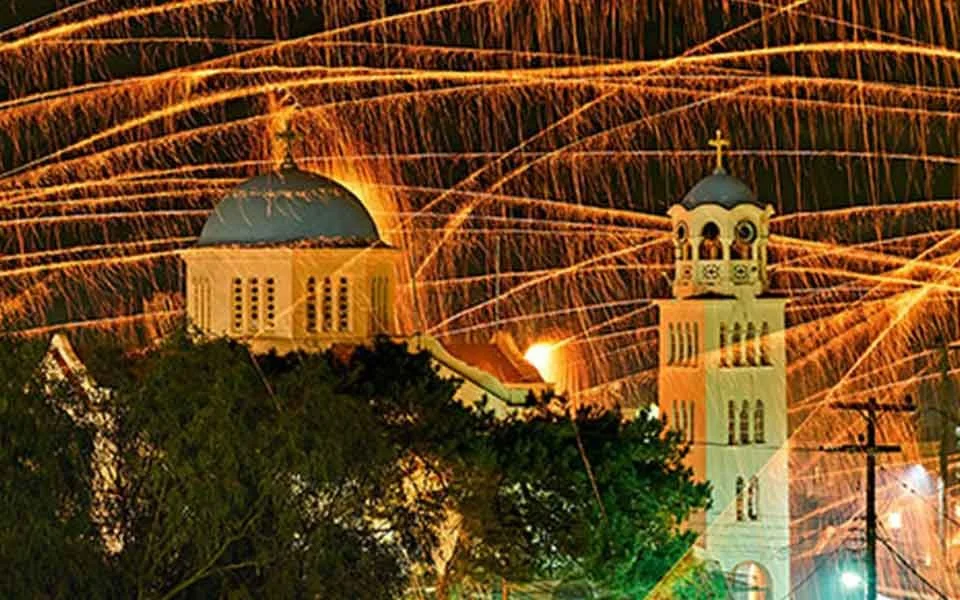
On Chios Island, Vrontados Easter, a rocket war, is held between two rival churches. This dramatic, centuries-old tradition is held annually on Holy Saturday. Thousands of homemade rockets are fired between the churches, aimed for each other’s bell towers. The goal is to hit the bell tower of the opposing church. Both sides usually claim victory in a lighthearted, symbolic battle.
Picture credited to Giorgos Tsafos
Italy
Easter in Italy is a deeply rooted blend of solemn religious processions and vibrant springtime celebrations, held over a long weekend. In Rome, the Pope leads a Friday night procession at the Colosseum and a massive Easter Sunday Mass in St. Peter’s Square. The main, elaborate meal at Easter’s lunch features roasted lamb, artichokes, and special regional dishes. Easter Monday is an official public holiday designed for social gathering. Families and friends often escape the cities for picnics in the countryside, beach outings, and barbecues to celebrate the arrival of spring.
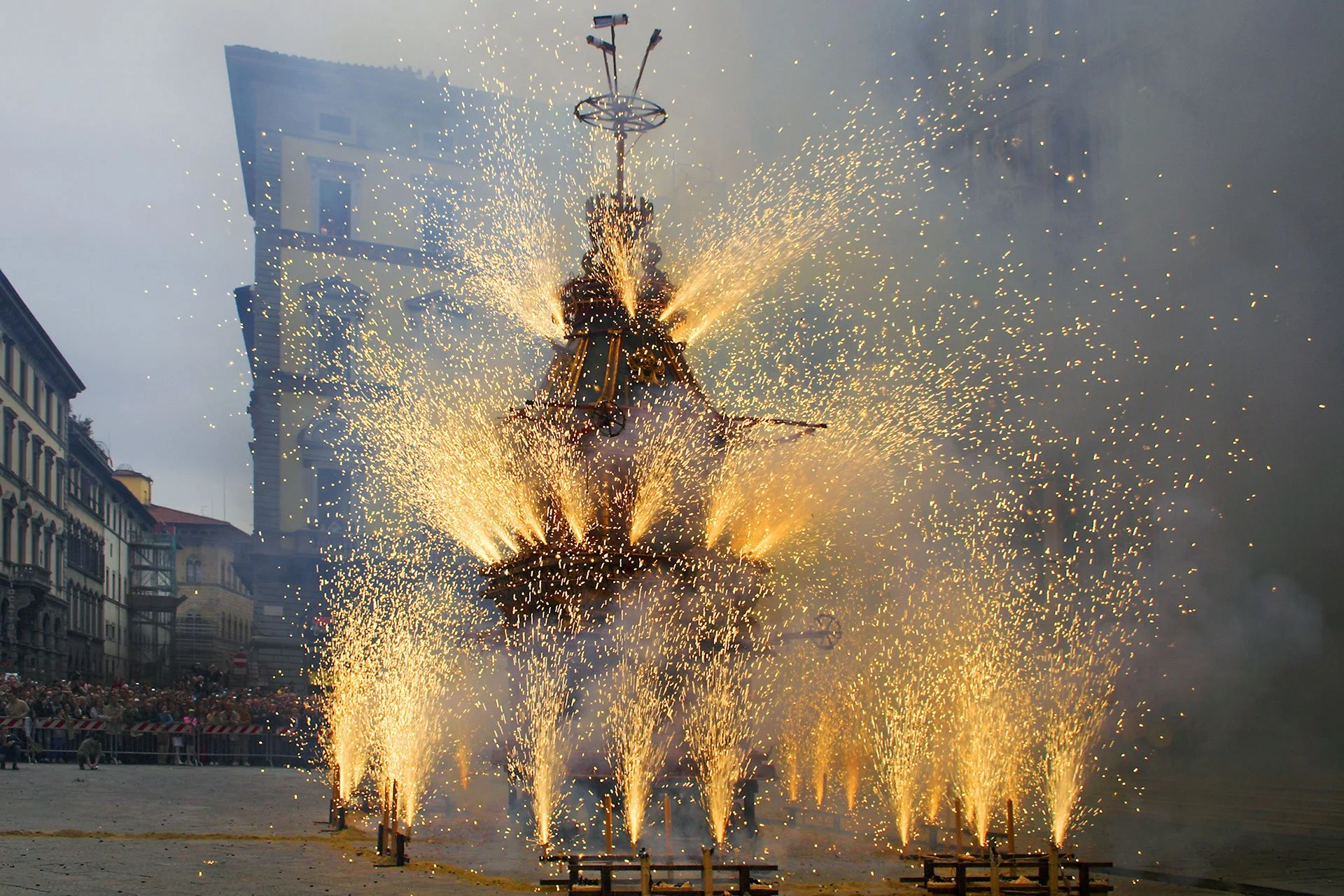
In the city of Florence, Easter Sunday is celebrated with the Scoppio del Carro. A decorated cart filled with fireworks is parked in front of the cathedral. A dove-shaped rocket flies into the cart, setting it off. The success of the explosion, a medieval tradition, is believed to bring good luck for the year.
Sweden
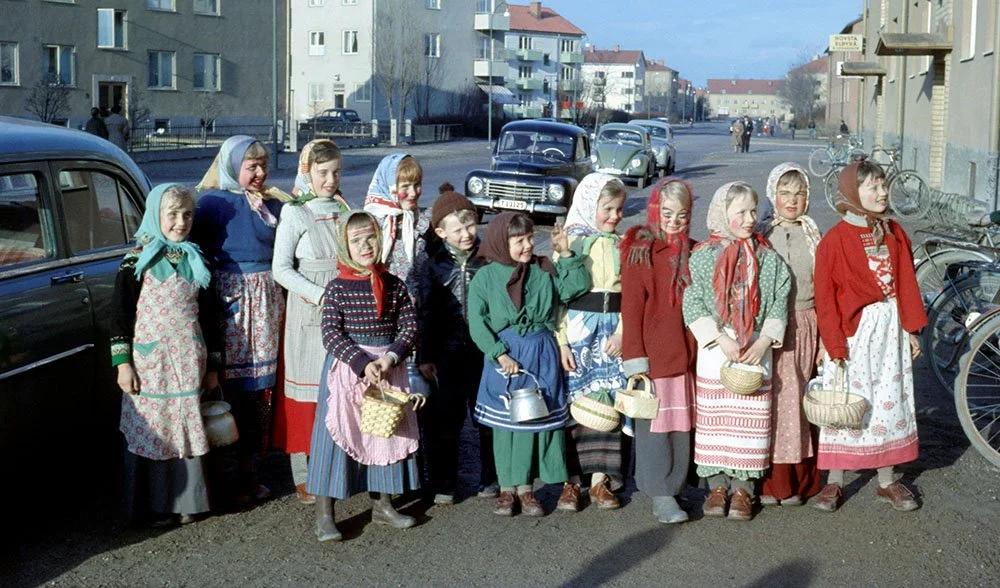
Easter in Sweden is a five-day, largely secular celebration from Maundy Thursday to Easter Monday, focused on family, spring, and eating. One of the key traditions is the custom of the Easter Witches. Children dress up as witches with scarves, rosy cheeks, and long skirts, visiting neighbors to trade hand-drawn cards or paintings for candy. This tradition stems from folklore that witches flew to Blåkulla before Easter. Visitors to Sweden can also experience the game of egg knocking, where participants compete by knocking hardboiled eggs together to see which one remains unbroken. And on the west coast, bonfires are lit to ward off witches, a tradition stemming from Old Norse beliefs.
Australia
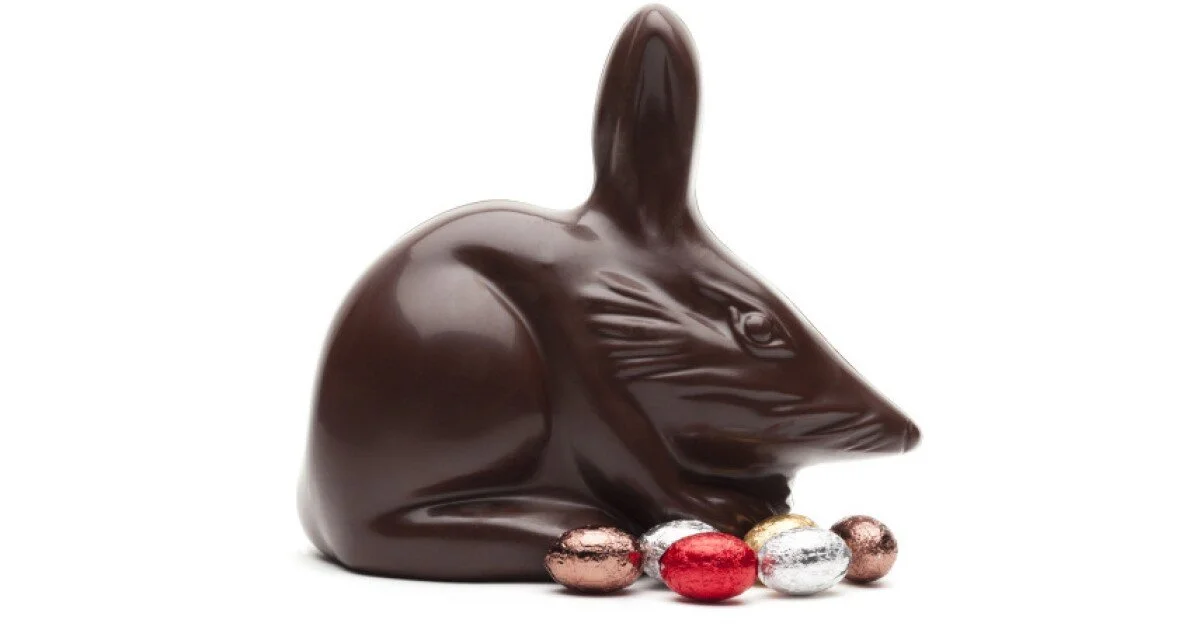
Easter in Australia is a four-day public holiday weekend. It starts with Good Friday and ends on Easter Monday. It is celebrated with family gatherings, chocolate egg hunts, hot cross buns, and outdoor activities like camping. Australia swaps out the Easter Bunny for the Easter Bilby, a native marsupial. Australians consume chocolate bilbies instead of chocolate bunnies. This shift helps raise awareness for conservation efforts. The Bilby is a small burrowing bandicoot. It is now almost pushed to extinction. In 1991, the Foundation for Rabbit Free Australia created the Easter Bilby to draw public attention to the damage caused to the Australian environment by rabbit populations and to the plight of the bilby. So if in Australia for Easter, don’t expect to be visited by the Easter Bunny, but the Easter Bilby instead.
Traveling during Easter opens the door to cultural experiences you simply can’t replicate at home. Whether you’re watching fireworks in Florence, dodging water in Poland, or tasting a giant omelet in France, these traditions turn a simple holiday into a global adventure.